A Guide to Yacht Safety and Unshakeable Confidence at Sea
Every captain, regardless of how many thousands of nautical miles they have logged, knows the feeling. The sky to windward darkens from a soft grey to an ominous slate. The breeze that was a pleasant companion suddenly bites with a new, urgent edge. The sea state shifts from a gentle swell to a confused, steep chop. It is in these moments when the water turns from friend to challenger that the true character of both the captain and the yacht is revealed.
At Sandbanks Mariner , we believe that safety is not a topic to be whispered about nervously; it is the very foundation of the yachting lifestyle. Navigating rough water does not have to be a white-knuckle ordeal. With the right preparation, the right vessel, and the right mindset, it becomes an exercise in seamanship a test passed with flying colors that leaves you with a deeper respect for the ocean and a profound confidence in your own abilities. Here is our comprehensive guide to facing heavy weather with composure and control.
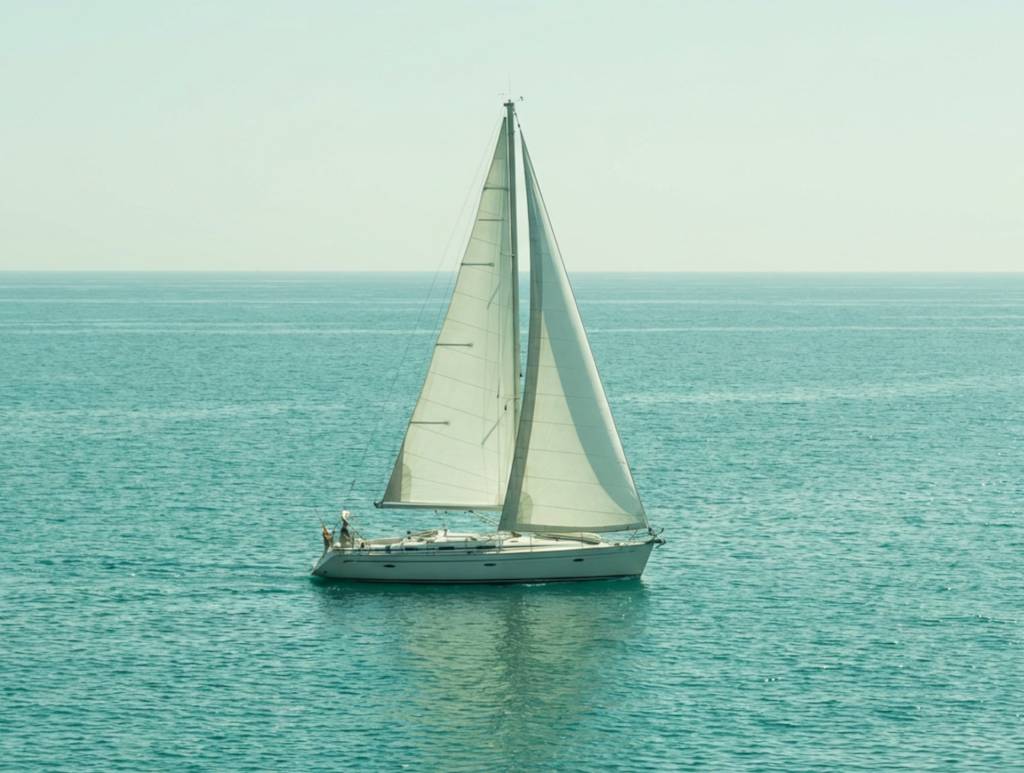
Safety is rarely about a single heroic action, it’s about a thousand small, correct decisions made before the wind ever pipes up.
The Vessel Matters: Why Design Dictates Safety
When the conditions deteriorate, the hull beneath your feet is your primary defense. This is why we at Sandbanks Mariner are so meticulous about the vessels we broker. Not all yachts handle rough water equally, and understanding the difference is critical for your safety and comfort.
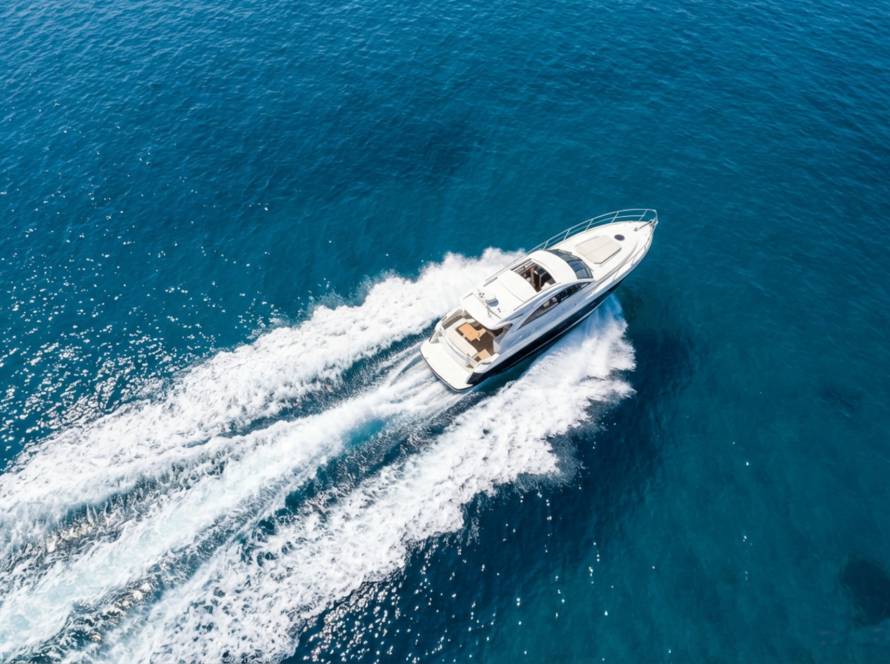
DeepV Hulls and Flared Bows: If you anticipate cruising in open ocean passages where weather can build quickly, look for a yacht with a deepV hull design. This shape slices through waves rather than pounding over them, providing a significantly softer and drier ride. A generous bow flare deflects spray away from the deck and windows, preserving visibility when you need it most.
Displacement Trawlers and Seakeeping: For those who plan longrange cruising, a displacement trawler or an explorer yacht offers a different kind of safety. While they are slower, their full keel and heavy displacement create a supremely stable platform. They roll with the sea’s motion rather than fighting it. Many modern designs also feature stabilization systems (gyroscopic or fin stabilizers) that can reduce roll by up to 90%, transforming a queasy passage into a comfortable commute.
Redundancy in Systems: When you are offshore and the weather turns, you cannot call a mechanic. We prioritize vessels with twinengine installations. In the event of a mechanical issue or fuel contamination on one side, you have the peace of mind of a second engine to get you home safely.
The Captain’s Checklist for Heavy Weather Preparation
Safety is rarely about a single heroic action; it’s about a thousand small, correct decisions made before the wind ever pipes up.
- PreDeparture Weather Wisdom
Modern forecasting tools like PredictWind and Windy are essential, but they are not crystal balls. Always look at the trend in the barometric pressure. A rapid drop is a clearer indicator of building weather than any animated icon on a screen. Always file a float plan with your marina or a trusted contact ashore. - Securing the Ship Before It Gets Sporty
The time to secure loose gear is not when the boat is already heeling over at 20 degrees. Before leaving the harbor on a day with a questionable forecast, walk the interior and exterior and ask: Will this fly across the cabin if we hit a big wave? Secure all hatches, stow loose bottles in the sink, and ensure heavy items like toolboxes are low in the bilge. On deck, check that fenders are stowed (nothing looks more amateur than fenders flapping over the side in a storm) and that the tender is doublestrapped to the swim platform or davits. - Slowing Down Is a Sign of Mastery
When you encounter rough water, the most common instinct of a novice is to speed up to “get through it faster.” The pro move is the opposite. Reduce speed. Match your boat’s speed to the wave interval. You want the bow to rise with the swell and settle gently into the trough. Pounding through waves at high speed is uncomfortable for your crew and, more importantly, it stresses the hull structure and electronics. - The Safe Port in the Storm
If you are caught out in conditions that exceed your comfort zone or the vessel’s capabilities, remember that the safest harbor is the one behind you. There is absolutely zero shame in turning around, tucking into a protected anchorage, and waiting for the front to pass. It is the hallmark of a prudent mariner.
Peace of Mind Begins at the Dock with Sandbanks Mariner
Navigating rough waters with confidence starts long before you leave the dock. It starts with the right vessel and the right partner. At Sandbanks Mariner , we don’t just sell boats; we match clients with yachts that are missionappropriate. We’ll help you find the vessel with the seakeeping ability to handle the waters you plan to explore, whether that’s the gusty bay of a local lake or the rolling swells of an ocean passage.
Ready to invest in a yacht that inspires confidence, not concern? Explore our curated selection of bluewatercapable yachts or contact our team for a consultation on the safest, most capable vessels on the market. Sail smart. Cruise safe.